What the corona treatment unit does on press
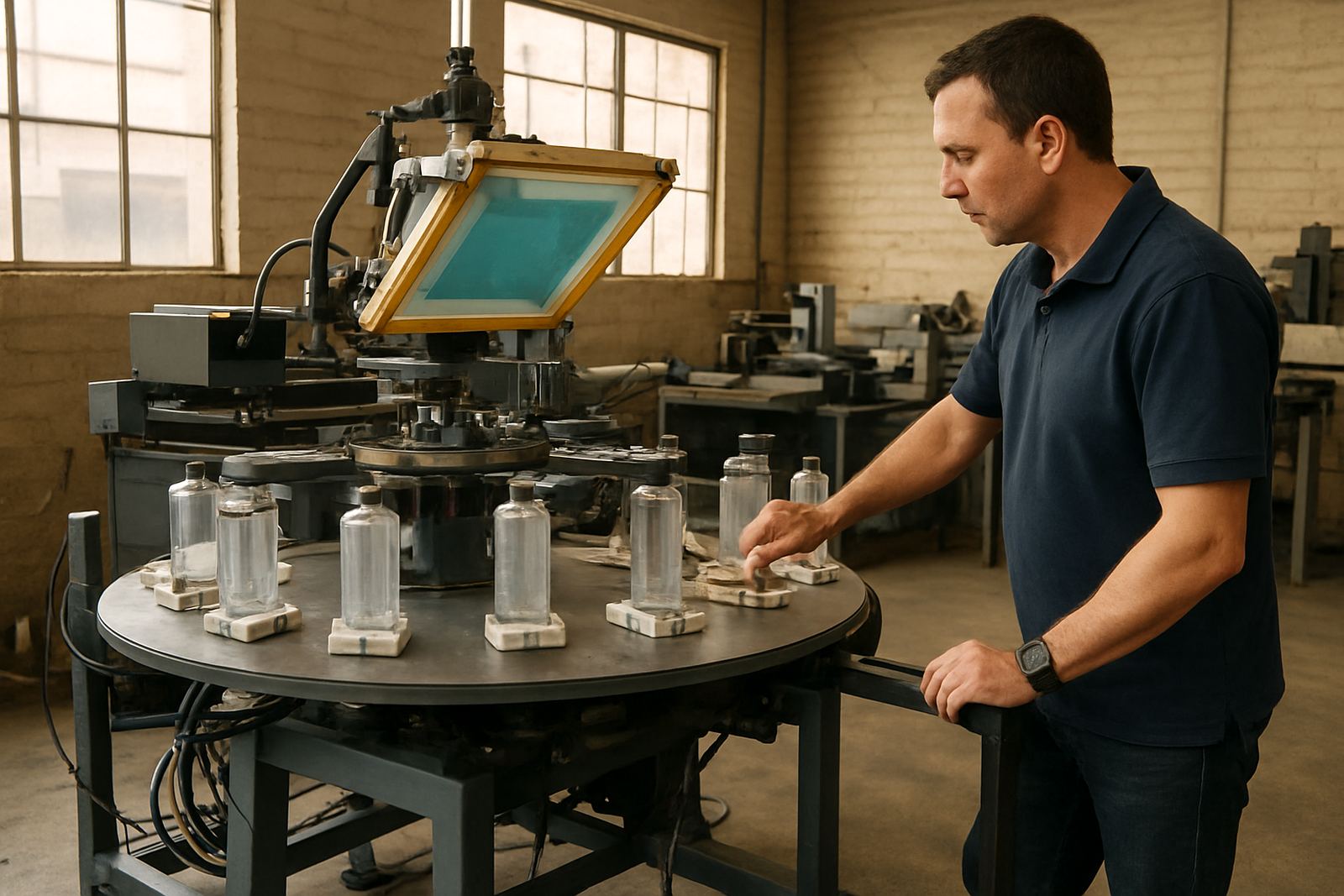
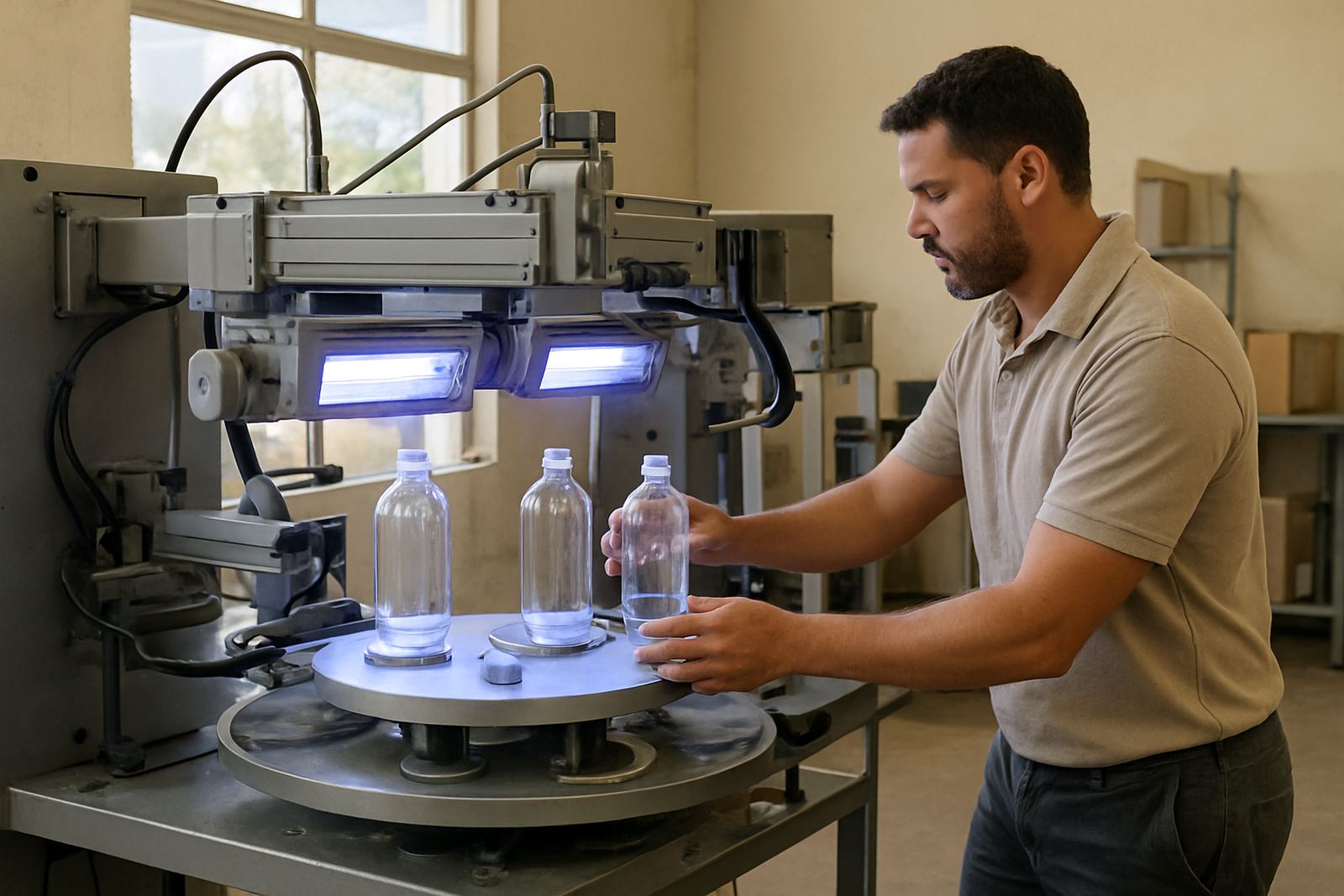
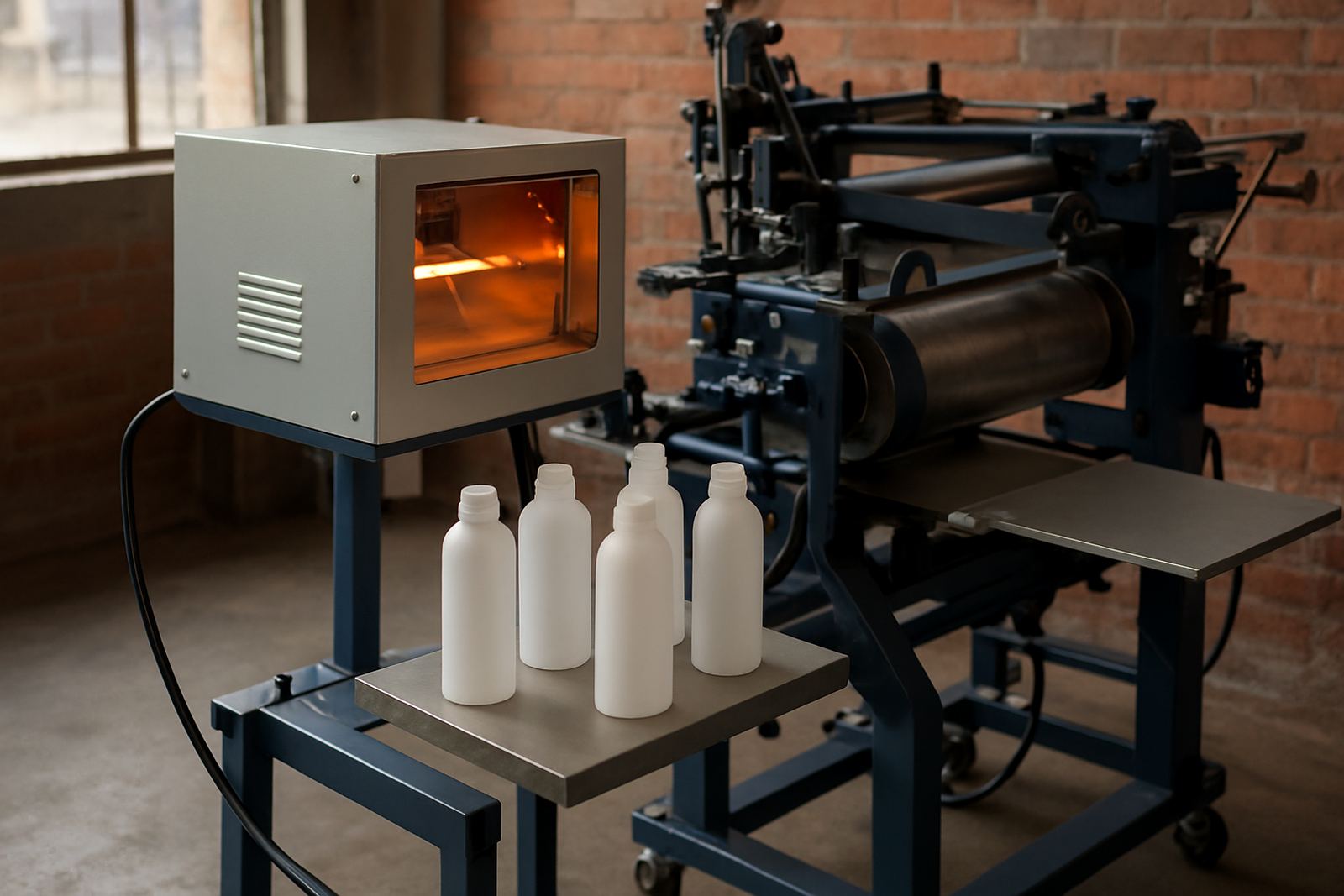
A corona treatment unit is used to treat the surface of select plastics before screen printing or decoration. The process changes the surface energy of the item so ink, coatings and adhesives can grip better. On untreated material, prints can bead, lift or scuff too easily, especially on smooth containers.
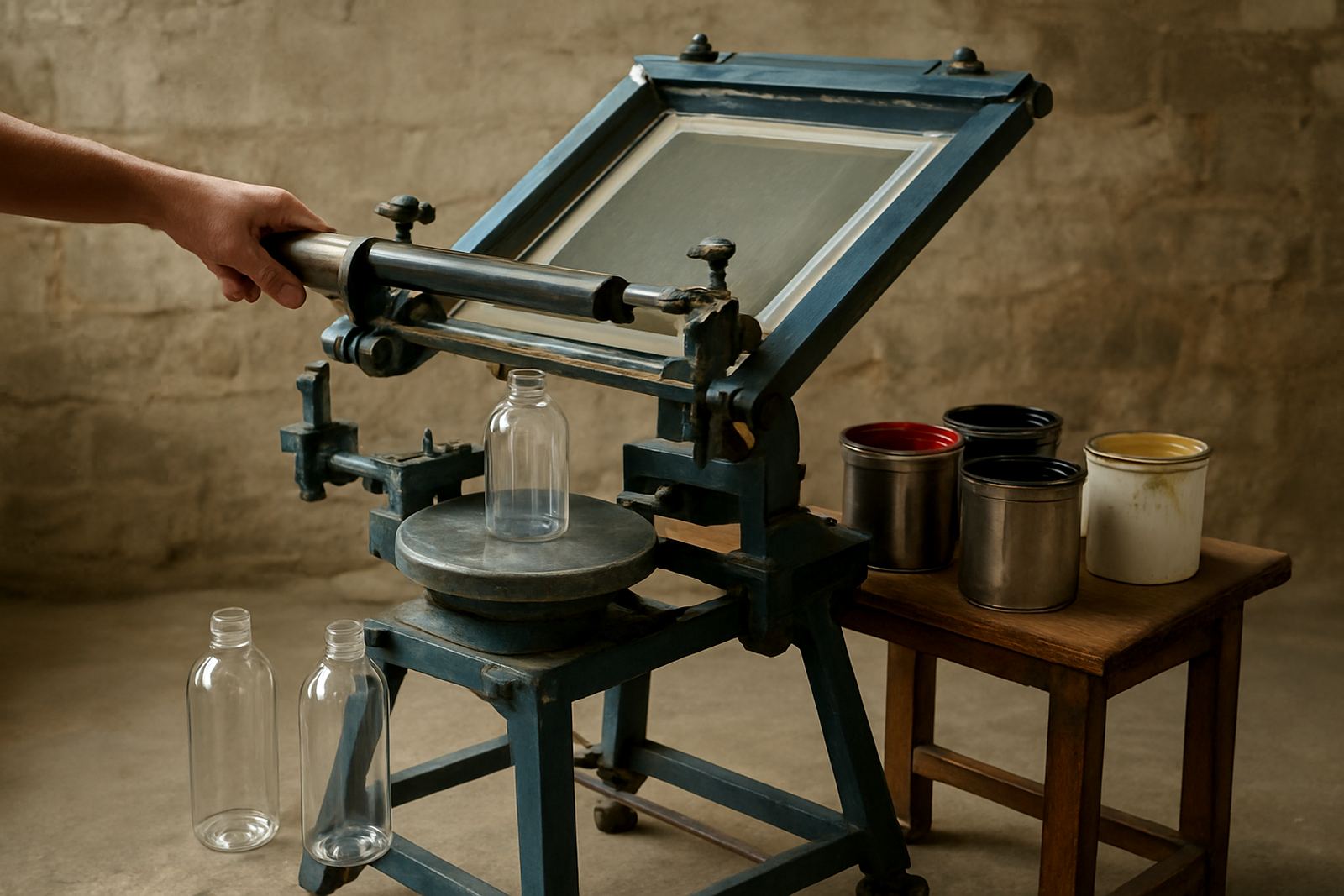
For bottle, cup and tube work, this matters on runs where a neat finish has to hold up to handling, packing and transport. It is a practical step for shops that print polypropylene, polyethylene and similar materials, and it is often fitted inline or used as a separate pre-treatment station. In busy plants the difference is clear, less rework and fewer rejected items.
Where it suits best in South African production
This unit suits printers making personal care bottles, food packaging, promotional cups, squeeze tubes and technical packaging parts. It is also useful for contract printers that handle short runs for local brands in Johannesburg, Pretoria, Durban and Cape Town, where artwork changes can happen fast and colour consistency has to hold from batch to batch.
Corona treatment is especially useful when a client expects prints to survive handling in heat, humidity or cooler warehouse conditions. Coastal moisture in Durban and Cape Town can expose weak adhesion quickly, so proper treatment helps keep print quality steadier. For firms working with municipal supply contracts or retail packing, that extra reliability is worth having.
- Suitable for smooth plastic surfaces that need better ink bond
- Useful before screen printing, pad printing or coating on selected items
- Helps on items that move through packing, transport and shelf display
Sizes, formats and practical options
Corona treatment units are normally specified by the product diameter, line speed and whether the machine is hand-fed or automatic. For smaller operations, a compact unit may be enough for cups or narrow tubes. For higher output, the unit can be built to suit wider bottles and faster production speeds. We help match the unit to the actual product, not just the sample in the office.
Common options include adjustable treatment heads, conveyor integration, height adjustment and simple controls for daily set-up. Some plants want a unit that fits into an existing print line, while others prefer a stand-alone pre-treatment station. If your site changes from 50 mm tubes to larger bottles, tell us that up front so the frame and head spacing can be set correctly.
- Compact units for small to medium bottle and tube lines
- Inline units for continuous production setups
- Adjustable heads for different container diameters
- Single phase or three phase supply depending on size
Installation, power and site needs
Installation is straightforward when the site is prepared properly. The unit needs a stable floor, enough space for access and a clean area free from dust build-up. The treatment zone should sit close to the printing point so the surface does not lose treatment before the item reaches ink. If the line is too far apart, adhesion results can drop off.
Power needs depend on the unit size and treatment width. Smaller models may run from standard plant supply, while larger lines may need three phase power. We check available supply, cable routing and safety guarding during site setup. If the site has load-shedding interruptions, a printer should plan for restart procedure, since treated stock should not be left idle too long before printing. Good extraction and safe earthing are important too, and the area should be kept dry and tidy.
- Stable mounting and correct alignment are critical
- Check available power before delivery and install
- Keep the treatment head close to the print station
- Allow access for cleaning, inspection and operator checks
Care, servicing and daily checks
Routine care helps the unit stay consistent. Operators should check the head position, wiring condition and surface cleanliness each shift. Dust, ink mist and packaging scraps can affect performance if the area is not kept clear. The unit should also be checked after changeovers, because a small height or angle shift can reduce treatment quality before anyone notices.
Preventive maintenance usually includes cleaning, inspection of wear parts, electrical checks and confirming that output is still matching the product speed. In humid coastal areas, corrosion needs attention on exposed fittings and cables. If the machine starts giving uneven results, do not keep running and hope it sorts itself out, that usually leads to more scrap. A planned service schedule saves money over time.
What to confirm when ordering one
Before ordering, have the container samples, target diameter, line speed and material type ready. It also helps to know whether the products are printed one at a time or moved on a conveyor. If the item has a taper, cap shoulder or irregular profile, mention it early so the treatment head and supports can be matched to the shape.
Also confirm your supply voltage, available phase and the space around the line. If you are installing in Aeroton, Johannesburg South, Midrand, Pretoria, Durban or Cape Town, we can work around your local plant layout and arrange setup support nationwide. For best results, send the product sizes, sample photos and expected daily volume before finalising the order.
- Product material and surface finish
- Container diameter, length and any taper
- Required line speed and daily output
- Power supply on site and available floor space
- Whether the unit must fit an existing line or stand alone
Key facts
| Use | Surface treatment for certain plastics before printing |
|---|---|
| Typical items | Bottles, cups, tubes and similar containers |
| Material suitability | Common on PP, PE and related low-energy plastics |
| Installation | Standalone or inline, depending on production setup |
| Power | Single phase or three phase, model dependent |
| Support | Installation, training, servicing and breakdown repairs nationwide |