What the Four Colour Line Does On Round Containers
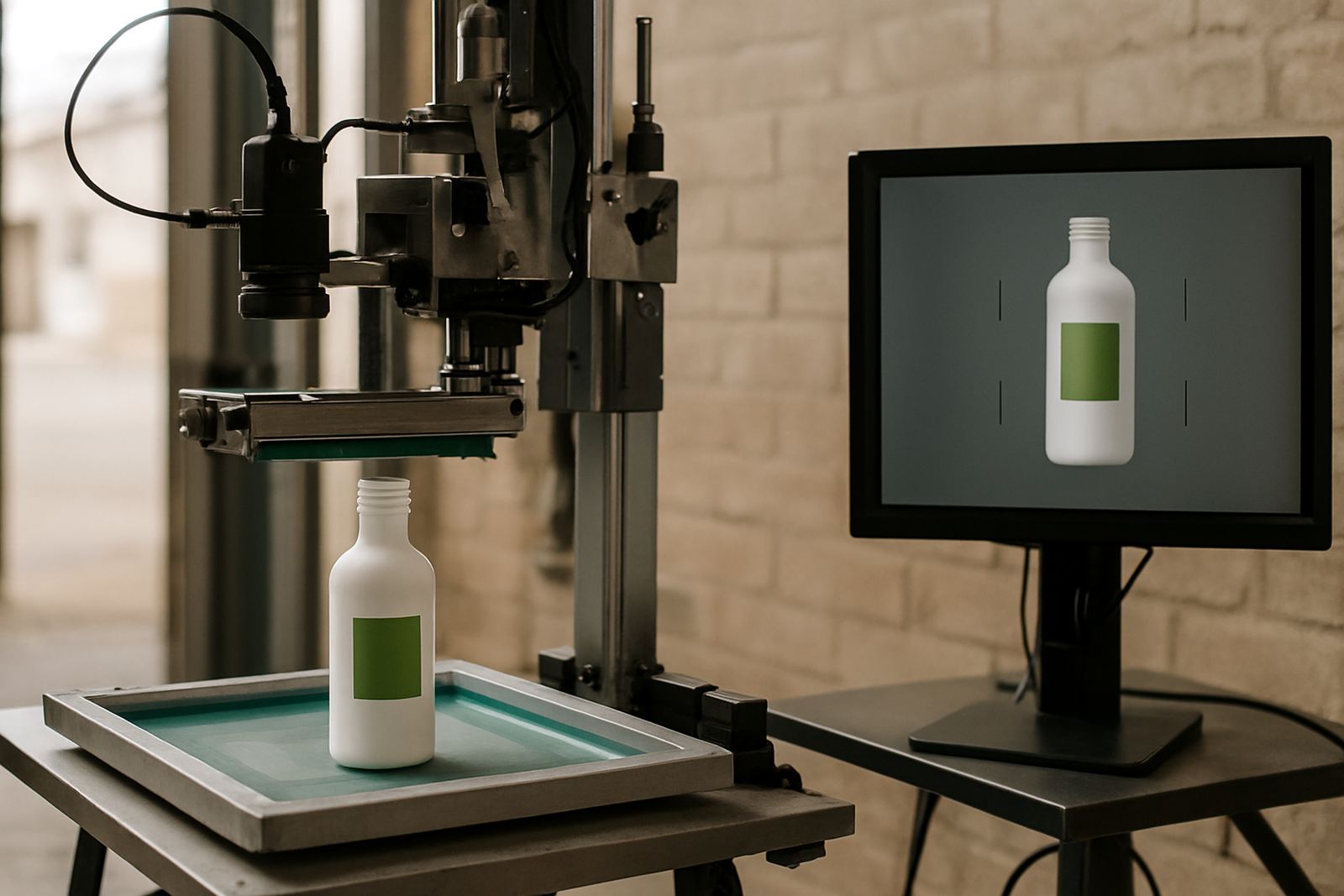
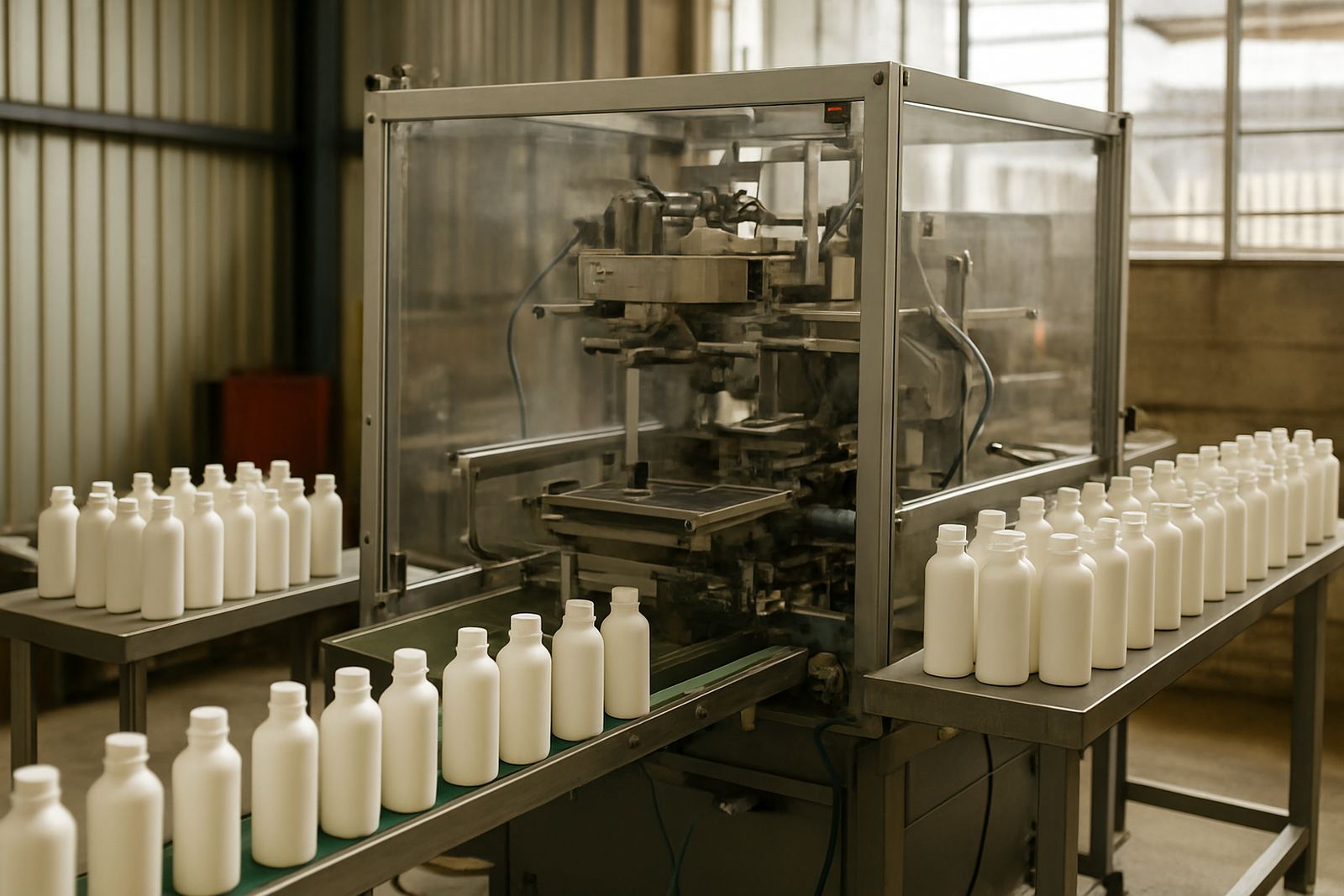
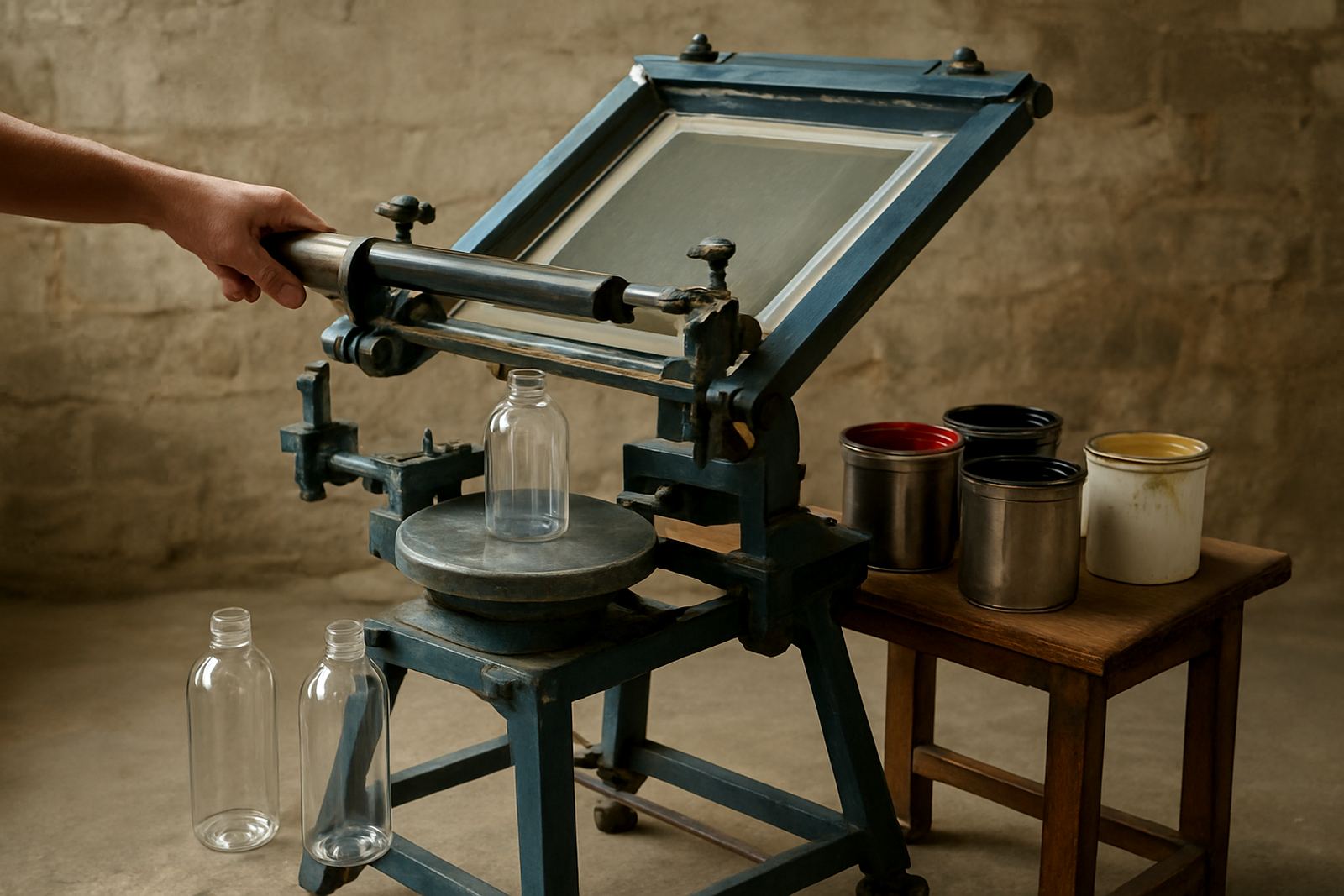
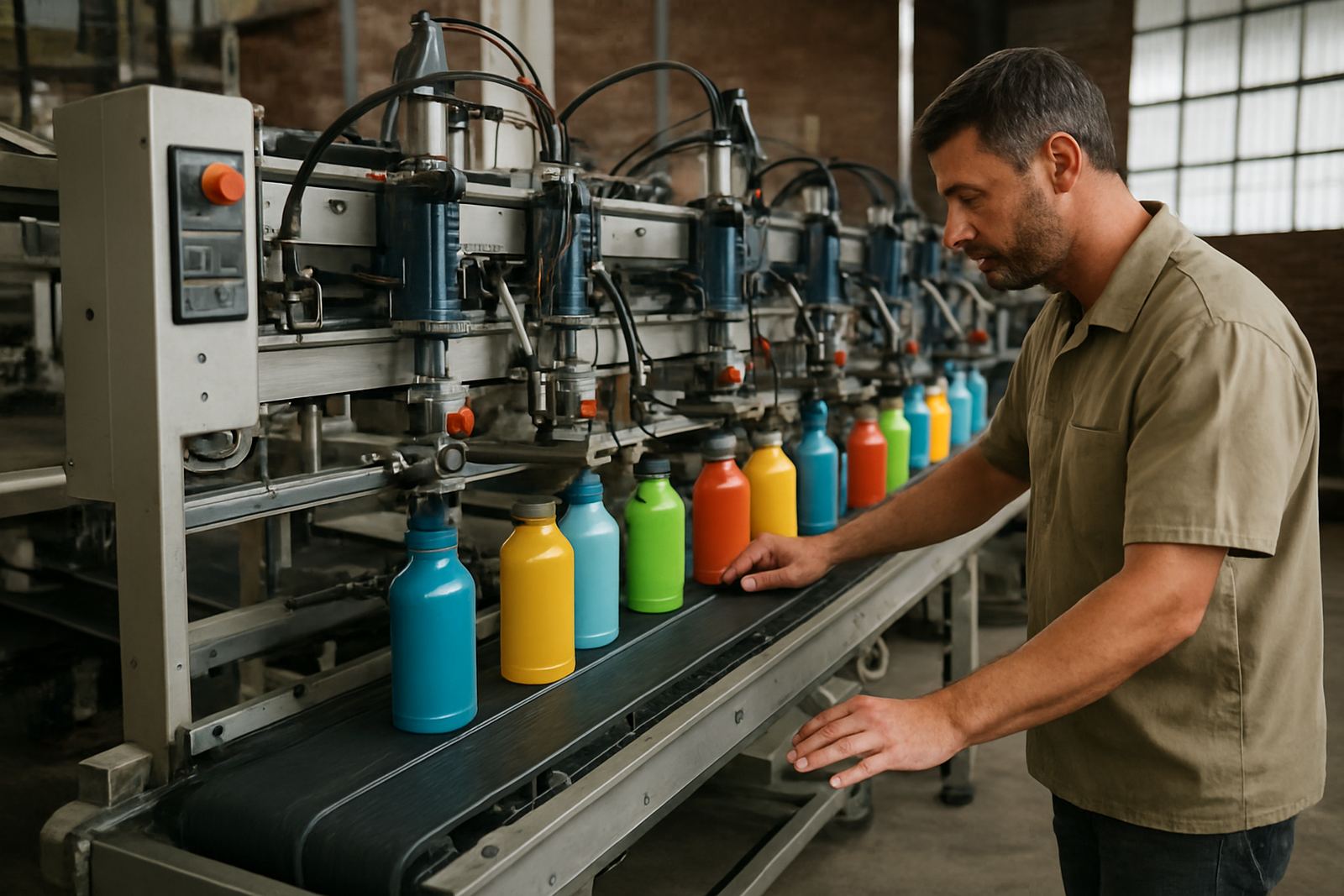
The four colour line is a multi-station screen-printing setup for cylindrical items such as bottles, cups, jars and tubes. Each colour is printed in sequence, which gives better control over logos, text blocks, labels and patterns that need a clean edge on a curved surface. It is a practical option when stickers are not suitable and the print must form part of the product finish.
In day-to-day work, this line is used for cosmetics containers, beverage bottles, promotional cups and packaging tubes. It handles repeat jobs well, and once the screens and set-up are locked in, the operator can keep consistency from one batch to the next. That matters when the customer wants the same colour placement on every unit, not just close enough.
The line is also useful for businesses that print for contract packers or run short to medium production batches. You can move between product sizes with the right tooling and screens, so it is not limited to one bottle shape only.
Typical Sizes, Print Range and Options
We supply four colour lines in a few practical configurations, depending on the product size and output needed. The right setup depends on bottle diameter, print height and how much space you have on the floor. In Johannesburg, Durban or Cape Town, a site with clean electrical supply and enough working room will normally give the best results.
Common options include manual loading, semi-automatic feed, adjustable mandrels and fixture sets for different container diameters. Some customers only need one size family, while others require several quick-change setups for mixed production. If you print both short cosmetic tubes and taller bottles, it is worth checking the stroke length and clamp travel before ordering.
- Single to four colour printing on round containers
- Adjustable fixtures for bottles, cups, jars and tubes
- Screen frame size matched to the artwork and colour count
- Options for quick change product holders
- Registration controls for repeat jobs and small artwork shifts
Where This Line Suits Best
This machine suits businesses that need sharper branding on cylindrical packaging and do not want to rely on labels alone. It is a good fit for cosmetic houses, contract decorators, promotional product suppliers, plastics converters and packers that deal with finished goods going straight into retail or distribution.
For Gauteng production rooms, the line works well in a controlled space where operators can keep screens, ink and containers dust free. Near the coast, especially Durban and Cape Town, you need to manage humidity so the ink and screens behave properly. That may mean better ventilation, tighter screen drying control and a bit more attention to reclaiming and storage.
Because the line is designed for multi-colour work, it suits clients who print branding with more than one shade or need fine detail around a curved container. If your work is mostly one-colour text, a simpler unit may be enough, but for artwork with depth and contrast the four colour setup gives better control.
Installation, Power and Compressed Air Needs
We install nationwide, with regular work in Aeroton, Johannesburg South, Midrand, Pretoria, Durban and Cape Town. Before delivery, we check floor space, access routes, power availability and whether the site can support a stable print area. If the machine is going upstairs or through a tight doorway, that should be confirmed early so the install runs on time.
Most four colour lines need standard industrial single phase or three phase power depending on the model and accessories chosen. A clean electrical supply is important in South Africa where load-shedding and voltage swings can interrupt a shift. If your site has backup power, the machine must still be checked against the capacity of the inverter or generator so you do not underpower heaters, motors or control units.
Compressed air is often needed for clamping, actuation or product handling on a line like this. The air supply should be dry and steady, because moisture and pressure drops cause printing faults. If the unit includes curing or pre-treatment modules, those requirements must be listed before dispatch so the installation team can plan the layout properly.
- Plan for level flooring and enough operator clearance
- Confirm whether the site has single phase or three phase power
- Allow for compressed air, filtration and moisture control
- Check backup power if you run during load-shedding
Care, Servicing and Screen Room Discipline
This equipment lasts longer when the screen room and print area are kept tidy. Screens should be cleaned properly after each run, then reclaimed and dried before storage. Ink residue left on frames or hinges can affect registration and slow the next job. If you run several products a week, schedule cleaning at the end of each shift instead of leaving it until the weekend.
Preventive maintenance should cover moving parts, guides, clamps, bearings and electrical checks. A small fault left unattended can become a bigger stoppage during a busy order and cost a day of production. We assist with servicing, breakdown repairs, spares supply and training so your team can keep the line running without guessing.
Operators also need basic habits around colour setup, ink mixing and curing times. When those parts are handled properly the print finish stays more consistent, and you avoid waste from ghosting or off-register work.
- Daily wipe-down of print surfaces and guides
- Regular screen reclaiming and drying
- Check air lines, valves and pressure settings
- Inspect registration parts before every run
- Keep spare squeegees, seals and consumables on hand
What To Confirm Before You Order
Before placing an order, it helps to match the machine to your actual product range rather than only the sample bottle. We ask clients to send sample containers, artwork sizes and expected monthly volumes, because these details affect station spacing, fixtures and the type of screens required. If the bottle has a taper, shoulder or raised base, that can change the print position more than people expect.
You should also confirm the print area, colour count, ink type and whether the product needs pre-treatment or curing support. Ask about the smallest and largest container diameter the line can take, plus the maximum print height. If your product has a soft finish, you may need a different handling method from a hard plastic tube.
We also recommend checking who will train the operators, who will handle screen making and whether your site needs production help after commissioning. It is easier to get those points sorted early than to discover on day three that nobody is sure how to reset the registration.
For pricing and lead times, send a message through our contact form and include your bottle or cup samples, a photo of the artwork and the town where the installation will happen.
Key facts
| Product type | Four colour multi-station cylindrical screen-printing line |
|---|---|
| Suitable products | Bottles, cups, jars, tubes and other round packaging |
| Colour capacity | Up to 4 screen colours per setup |
| Print range | Depends on tooling, commonly 1 product family with adjustable diameter support |
| Power requirement | Single phase or three phase options, subject to model and accessories |
| Utilities | Compressed air required on most line configurations |