What an Inline Printing Line Does
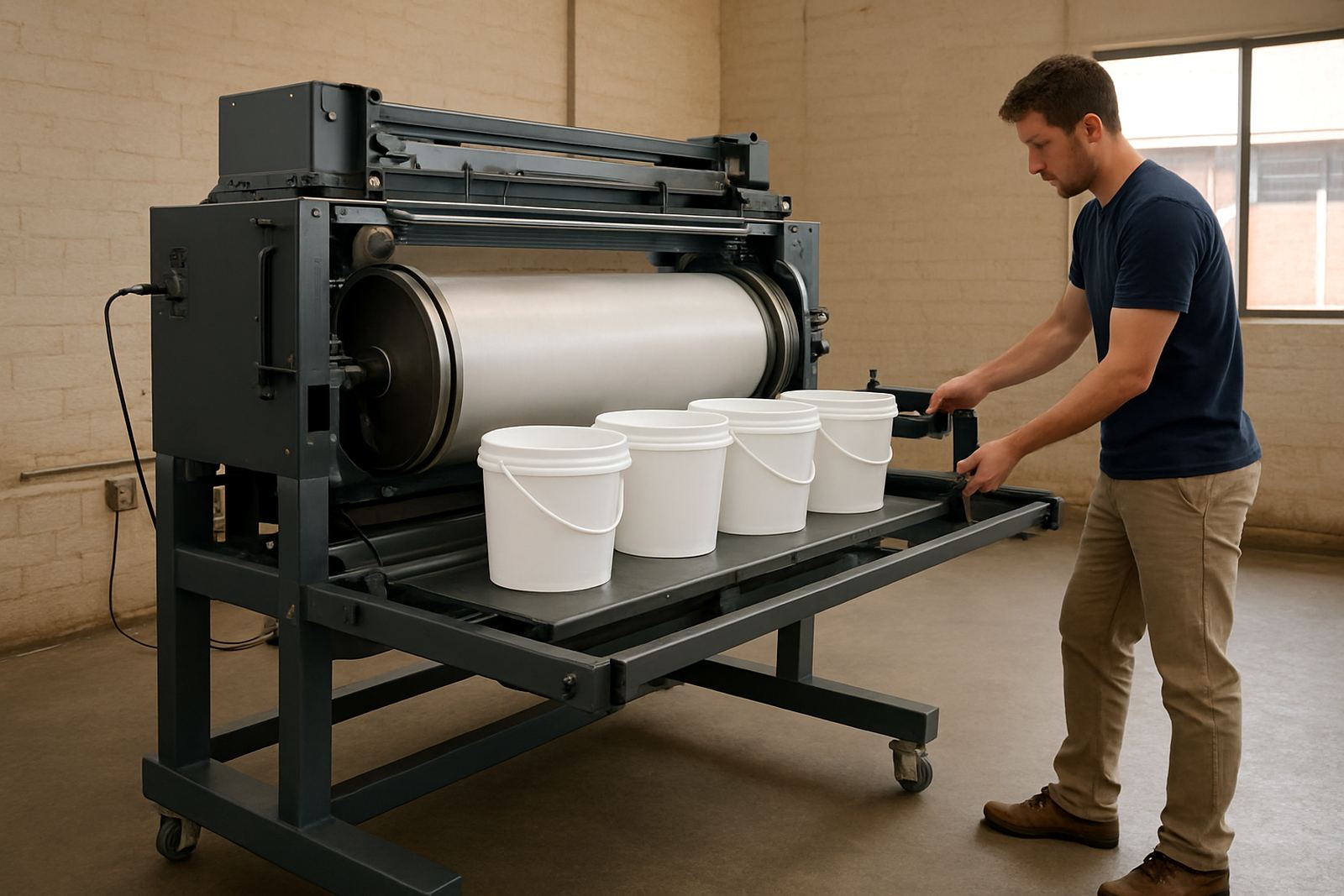
An inline printing line links the feed, print and curing stages so the product moves through in one planned direction instead of being carried from one station to the next by hand. That matters when you are printing repeat orders, multi-colour jobs or products that need the same print position across long runs. Less manual handling means fewer scuffs, less variation and better control over drying and stacking.
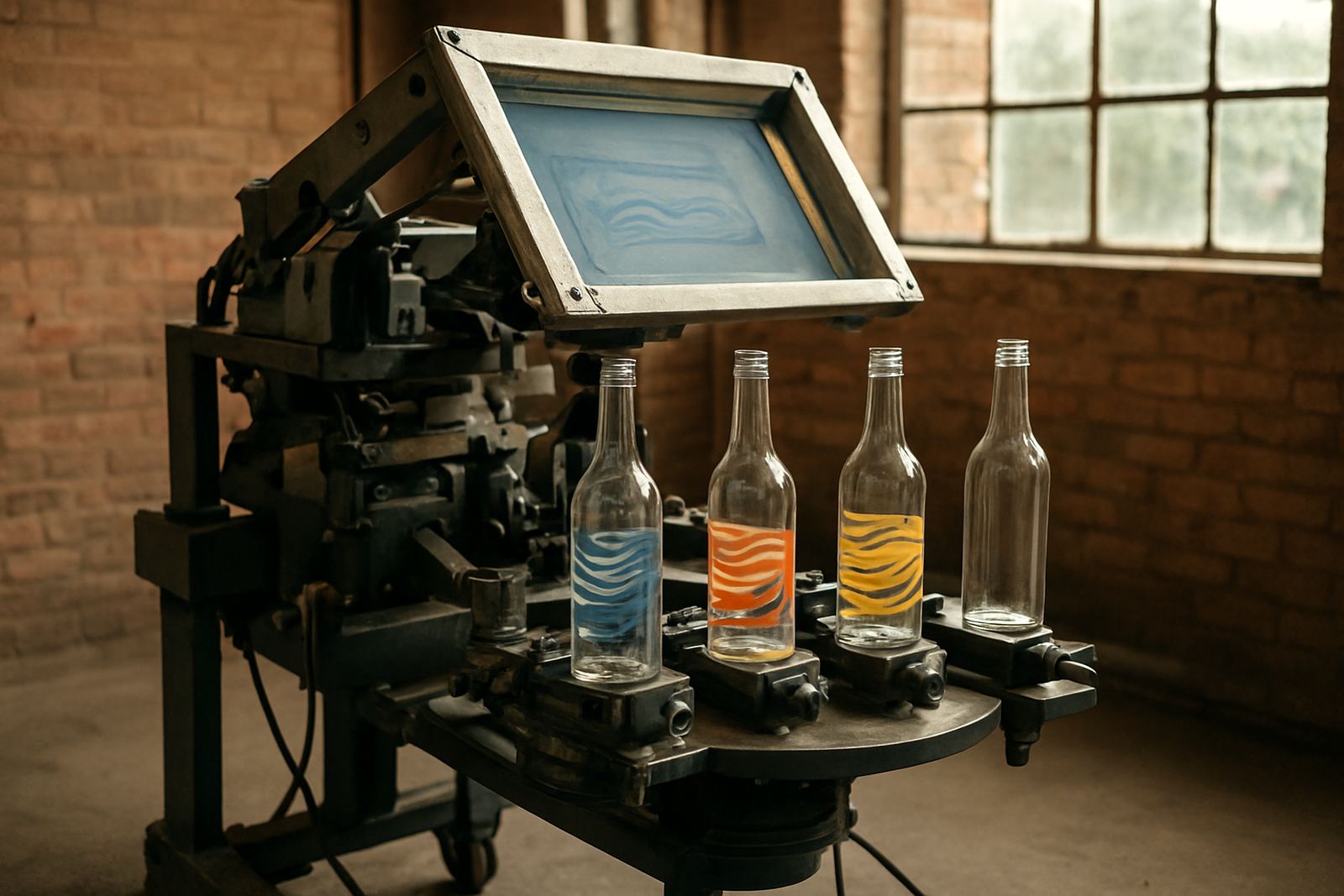
For bottle and tube work, the line is especially useful where speed and consistency matter. If you are running smaller batches, the same line can still work well provided the product size stays within the machine range and your team sets up correctly. In busy plants around Johannesburg, Pretoria, Durban and Cape Town, we often see clients use inline layouts to reduce bottle queueing near the press and keep the line cleaner during shift changes.
- Suitable for cylindrical items such as bottles, cups and tubes
- Supports single colour and multi-stage printing workflows
- Helps reduce product handling between print steps
- Useful for higher repeat output and steadier registration
Typical Sizes, Layouts and Options
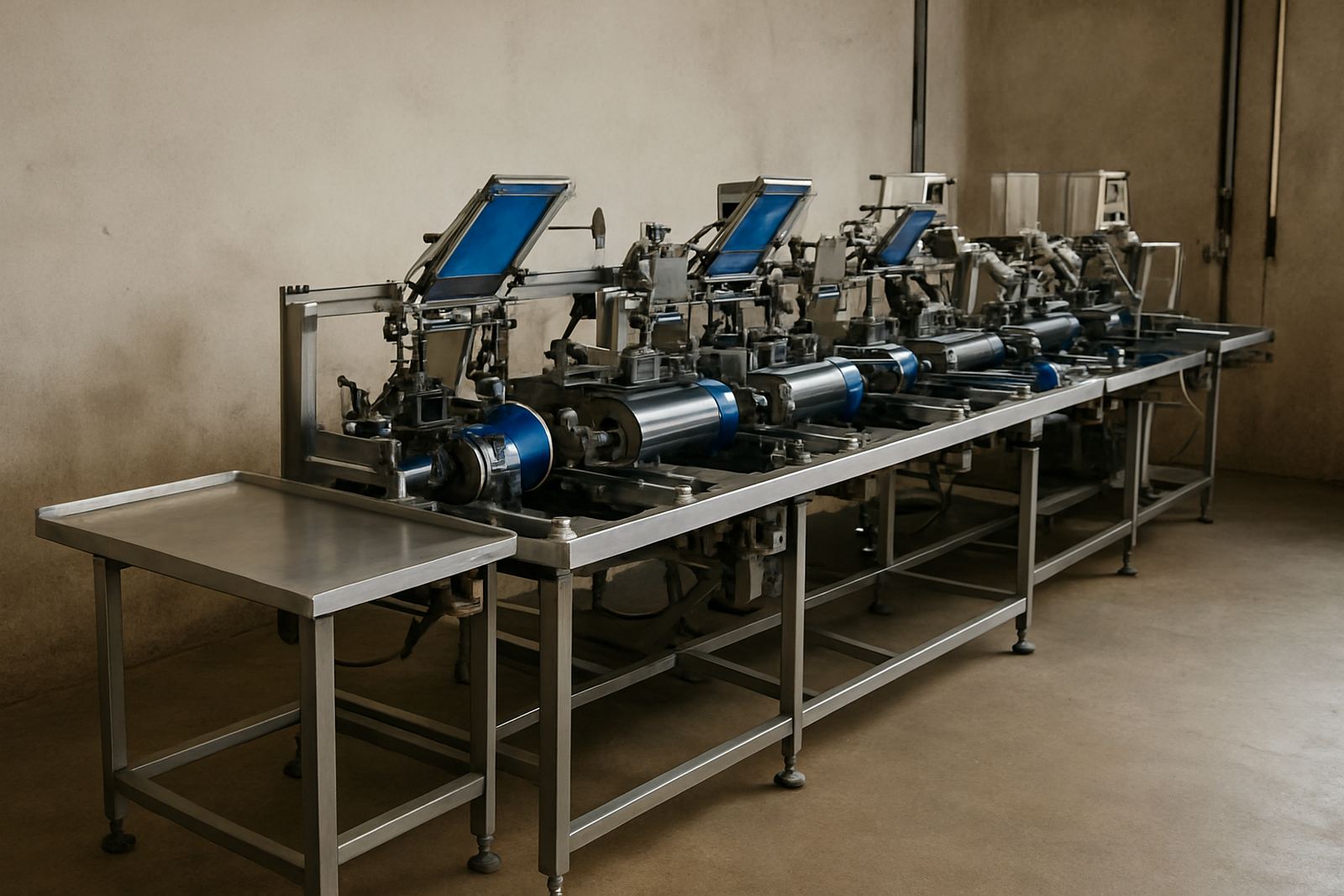
Inline printing lines are usually specified around the product size, line speed and curing method. A compact line can suit short runs and limited floor space, while a longer layout may include infeed, print station, curing section and outfeed conveyor. The right configuration depends on the widest diameter you plan to print, the tallest container height and how quickly you need finished items off the line.
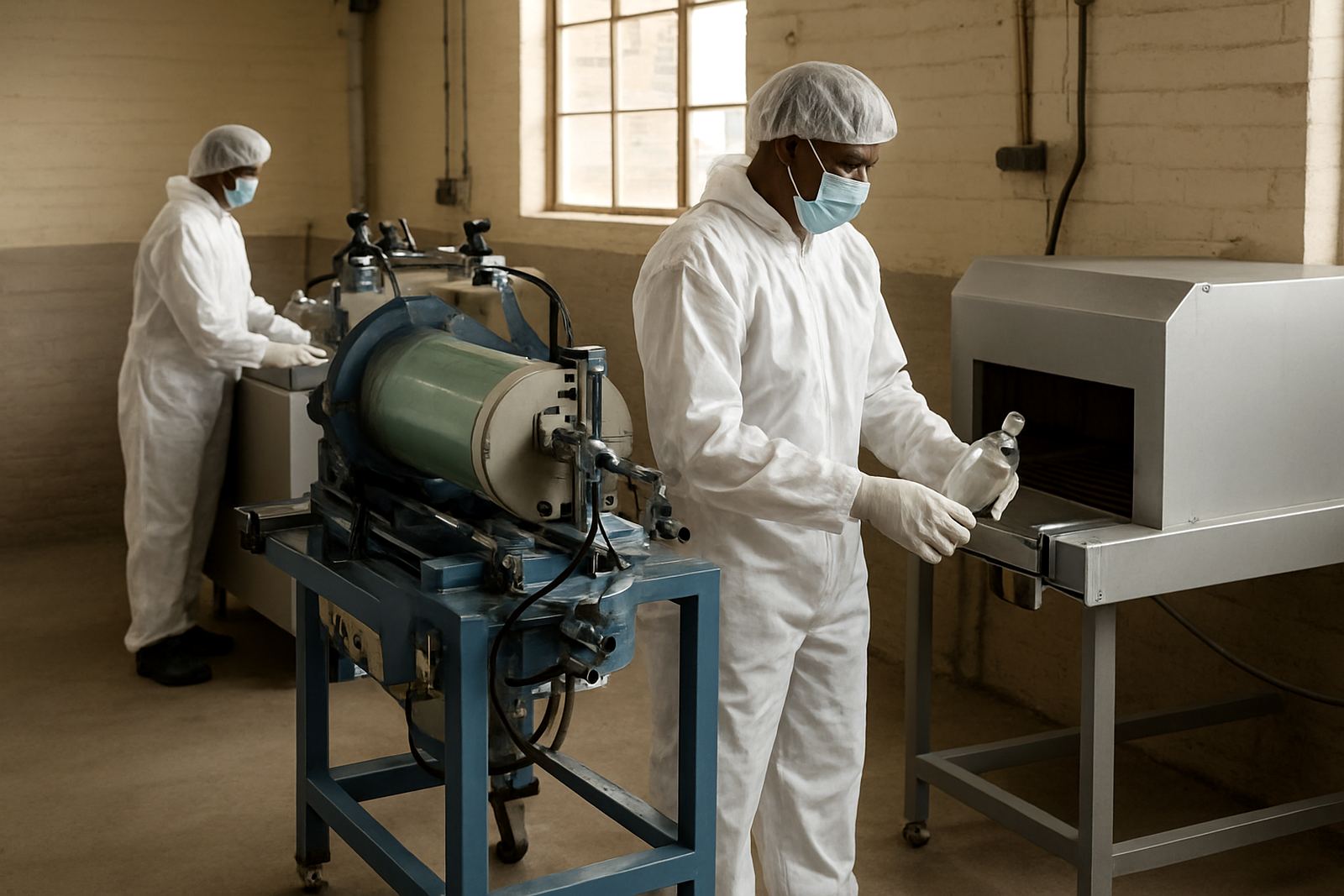
Common options include adjustable guides, product holders, multiple print heads, UV curing sections, hot air drying, and transfer sections for special handling. If you work with a mix of PET bottles, rigid plastic cups or small-diameter tubes, ask for change parts so the same line can be reset without unnecessary delay. On sites with limited space in Aeroton or Midrand, a compact inline arrangement is often the better fit.
- Working diameter range: typically 30 mm to 180 mm, depending on holder setup
- Product length range: usually 60 mm to 350 mm or more with custom fixtures
- Line speed: set to application, from slower setup mode to higher output runs
- Print stations: single station or multi-station configuration
- Curing: UV, hot air or ambient drying depending on ink system
Where This Line Suits Best
This type of line suits businesses that need a controlled process and dependable repeatability. It is common in packaging, promotional product printing, contract decoration and small manufacturing where bottles or tubes must move through a standard sequence. If your team is still carrying items between stations by hand, an inline layout can cut down on breakages and keep production timing steadier.
It also works well where customers expect durable decoration that holds up through handling, storage and transport. Coastal humidity in Durban or Cape Town can affect drying and stacking times, so a proper line with the right curing section helps avoid smudging and delayed packing. For inland sites, the focus is often on dust control, power stability and keeping the line aligned during long runs.
- Packaging and personal care containers
- Promotional drinkware and reusable cups
- Plastic and coated tubes
- Short to medium production runs with repeat artwork
- Plants that want a more orderly flow between print stages
Installation, Floor Space and Power Needs
Installation starts with site measurement, access planning and checking where the machine will sit in relation to the infeed and outfeed zones. You need enough straight run for loading and enough space for operators to work without crowding the print area. We also look at floor level, compressor positioning and the route for cables and air lines before the unit is placed.
Power needs depend on the size of the line and whether it uses UV curing, heaters or servo-driven motion. Many systems require single-phase or three-phase supply, and some sites will need surge protection or backup power planning because load-shedding can interrupt curing and damage production timing. Air supply may be needed for clamping, indexing or product movement, so check compressor size, line pressure and air dryness before ordering. If your site in Johannesburg South or Pretoria has unstable power, it is worth planning this early.
- Check available floor space, access doors and turning room for delivery
- Confirm electrical supply type and breaker capacity
- Allow for compressed air if the line uses pneumatic functions
- Plan extraction or ventilation where curing heat is high
- Keep a clean, level area for setup and daily operation
Care, Servicing and Downtime Control
Inline lines last better when they are cleaned daily and checked before each shift. Ink build-up on holders, guides and print parts can affect registration and lead to avoidable stoppages. Operators should wipe down contact points, inspect belts or chains, confirm sensor alignment and make sure the curing section is working at the right setting. It is a simple routine but it prevents a lot of trouble later.
Preventive maintenance should be booked around production volumes, not only when something goes wrong. We advise periodic checks on moving parts, electrical connections, air lines and safety switches. If you run all week, have spares on hand for wear items such as belts, seals, clamps and sensors. Our team supports machine installation, preventive maintenance, breakdown repairs and operator training, so the line stays in service and not sitting idle.
- Daily cleaning of holders, guides and print zones
- Weekly inspection of belts, sensors and clamps
- Scheduled checks on curing lamps or heaters
- Keep basic spares on site for faster recovery
- Train operators to spot registration and feed issues early
What to Confirm Before You Order
Before placing an order, confirm the product dimensions, substrate type and ink system you plan to use. A machine that handles one bottle shape well may need different tooling for a cup or tube. You should also confirm the print area, number of colours, target output per shift and whether the line must fit into an existing production room or a new installation.
It helps to send sample items, artwork details and photos of your workspace. That allows us to advise on layout, screen making, colour setup and any change parts you may need. If your operation includes multiple product sizes, ask about quick-change fixtures and the time needed to reset between jobs. Clear planning upfront saves time during commissioning and avoids costly adjustments later. Thabo and the team can assist with technical advice, site setup and training, whether you are based in Aeroton or operating further afield.
- Container shape, diameter and height
- Number of colours and print positions
- Required output per hour or per shift
- Available power, air and floor space
- Need for installation, training and after-sales support
Key facts
| Machine type | Inline cylindrical printing line for bottles, cups and tubes |
|---|---|
| Product size range | Typically 30 mm to 180 mm diameter, with custom fixtures available |
| Output speed | Set to product and curing method, from setup pace to higher volume production |
| Power requirement | Single-phase or three-phase depending on configuration, with surge protection advised |
| Curing options | UV, hot air or ambient drying depending on ink and substrate |
| Support | Installation, site setup, training, maintenance, spares and repairs nationwide |